
Introduction
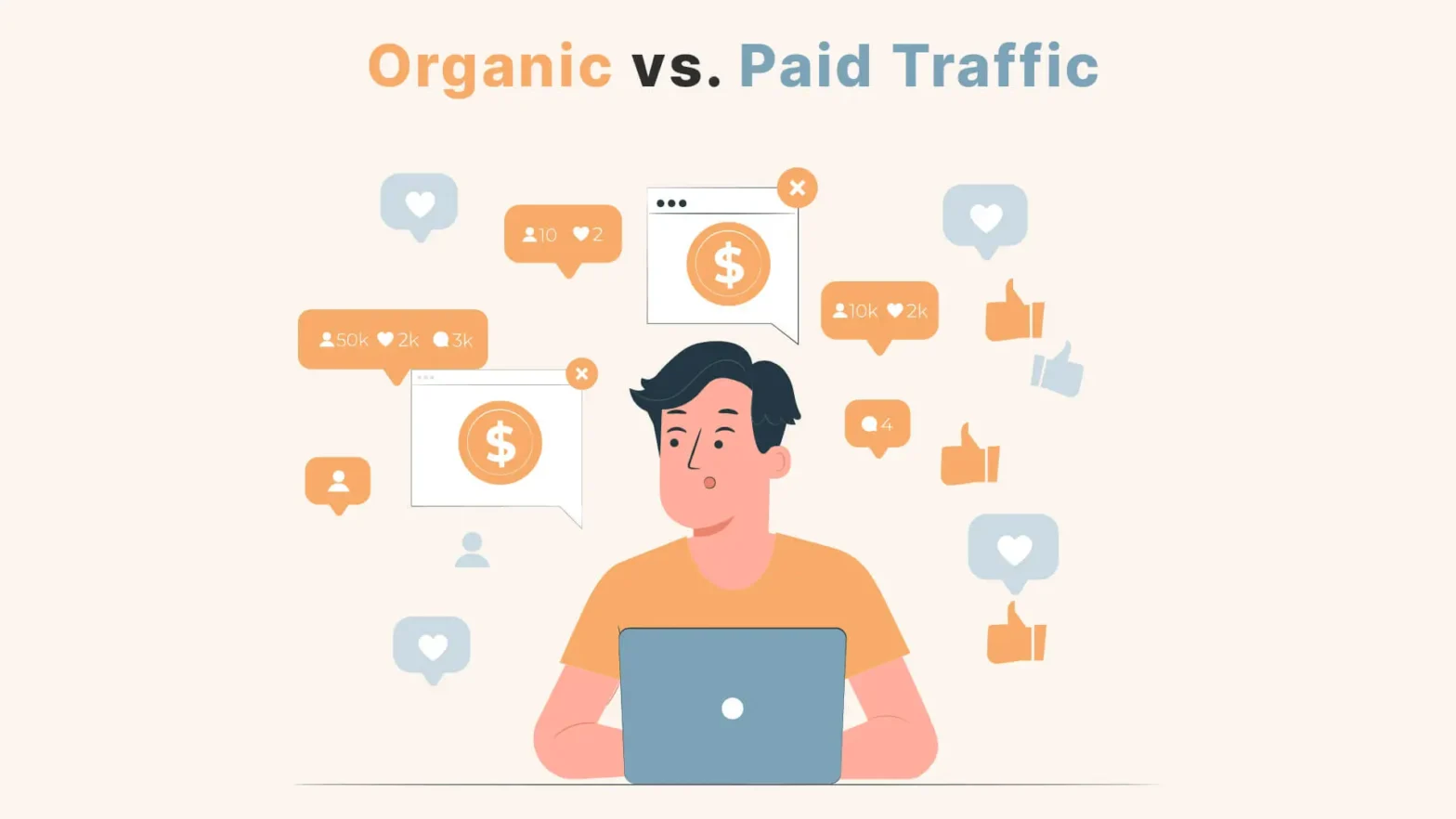
For many businesses, driving website traffic without spending on ads is a top priority. While paid campaigns can deliver quick results, they require continuous investment. Organic traffic, on the other hand, is sustainable, cost-effective, and builds long-term growth.
If you want to increase organic traffic without paid ads, you need a strong strategy that combines SEO, content marketing, and user experience optimization. This guide will walk you through proven methods to attract more visitors naturally and consistently.
What is Organic Traffic?
Organic traffic refers to visitors who land on your website through unpaid search results on search engines. These users are actively searching for information, products, or services, making them highly valuable.
Examples include:
- Google search results
- Blog visits through keywords
- Clicks from search engine rankings
Why Organic Traffic is Important
- Cost-effective (no ad spend required)
- Long-term results
- Higher credibility and trust
- Better conversion rates
- Sustainable business growth
Proven Ways to Increase Organic Traffic1. Focus on SEO (Search Engine Optimization)
SEO is the foundation of organic traffic.
Key SEO Practices:
- Use relevant keywords in your content
- Optimize titles and meta descriptions
- Use proper headings (H1, H2, H3)
- Improve website speed and mobile-friendliness
- Build internal links
Target both short and long-tail keywords to capture more search queries.
2. Create High-Quality Blog Content
Content is the most powerful way to attract organic traffic.
What Works:
- Informative and helpful articles
- Problem-solving content
- Guides and tutorials
- Industry insights
Consistency is key. Publishing blogs regularly helps improve search rankings.
3. Target Long-Tail Keywords
Long-tail keywords are more specific and have less competition.
Examples:
- “best shade net for nursery farming”
- “how to generate leads online in India”
These keywords attract highly targeted visitors who are more likely to convert.
4. Optimize for On-Page SEO
On-page SEO ensures your content is structured properly for search engines.
Important Elements:
- Title tags
- Meta descriptions
- Image alt text
- URL structure
- Internal linking
A well-optimized page ranks better and attracts more traffic.
5. Improve Website Speed and Mobile Experience
Google prioritizes fast and mobile-friendly websites.
Tips:
- Optimize images
- Use fast hosting
- Reduce unnecessary scripts
- Ensure responsive design
A better user experience leads to higher rankings and more traffic.
6. Use Internal Linking Strategy
Linking your blog posts and pages helps:
- Improve SEO
- Increase page views
- Keep users engaged longer
Create a strong internal linking structure to guide visitors through your website.
7. Leverage Social Media for Organic Reach
While social media is not a direct ranking factor, it helps drive traffic.
Strategies:
- Share blog content regularly
- Use engaging captions
- Post short videos and reels
- Add website links in bio
Platforms like Instagram and LinkedIn can drive targeted visitors.
8. Optimize for Featured Snippets
Featured snippets appear at the top of search results.
How to Achieve:
- Answer questions clearly
- Use bullet points and lists
- Add concise paragraphs
This increases visibility and click-through rates.
9. Build Backlinks
Backlinks are links from other websites to yours.
Ways to Build Backlinks:
- Guest blogging
- Collaborations
- Directory listings
- High-quality content
Backlinks improve domain authority and rankings.
10. Update Old Content
Refreshing existing content can boost rankings.
What to Update:
- Add new information
- Improve keywords
- Fix outdated data
- Optimize structure
Regular updates keep your content relevant.
11. Use Google Tools
Tools help you track and improve performance.
- Google Analytics – Track traffic and user behavior
- Google Search Console – Monitor search performance
These tools provide insights to optimize your strategy.
12. Focus on User Intent
Understand what users are searching for and create content that matches their intent.
Types of intent:
- Informational
- Navigational
- Transactional
Matching content with intent improves rankings and engagement.
Common Mistakes to Avoid
- Keyword stuffing
- Low-quality or duplicate content
- Ignoring mobile optimization
- Not updating old content
- Weak internal linking
Avoiding these mistakes ensures better results.
Future Trends in Organic Traffic
- AI-driven search results
- Voice search optimization
- Video content ranking
- User experience as a ranking factor
Staying updated with trends will help maintain traffic growth.
Conclusion
Increasing organic traffic without paid ads is achievable with the right strategy. By focusing on SEO, high-quality content, and user experience, businesses can attract consistent and valuable traffic over time.
Unlike paid ads, organic traffic builds long-term authority and trust. It requires patience and consistency, but the results are sustainable and cost-effective.
Start implementing these strategies today, and you will see steady growth in your website traffic and business success.